Practical Ways to Stay Consistent When Juggling Parenting and Career Ambitions

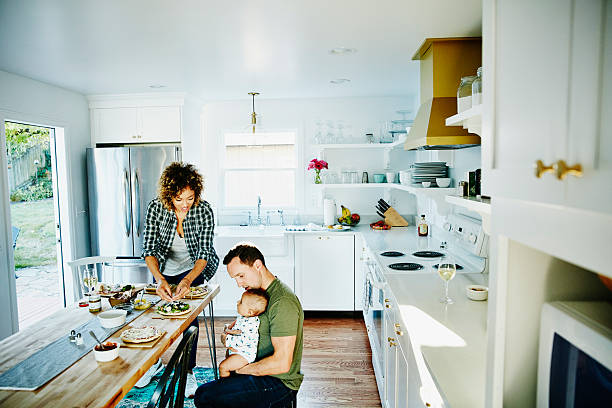
There’s a difference between parenting and career ambitions. Both of these responsibilities come with huge commitments and tasks. But how to stay consistent in juggling both at the same time is what matters, and that can be very difficult and overwhelming.

Parenting is a career on its own, requiring time, attention, and patience, especially as a single mom. It takes a determined and strong-willed woman to combine career aspirations with parenting.

In this piece, I want to talk about some practical ways to stay consistent when juggling parenting and career ambitions.

1. Prioritize and Plan Ahead
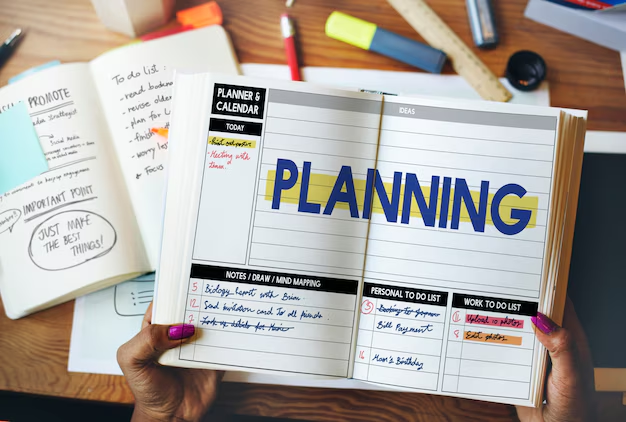
Effective time management is key. Create a daily or weekly schedule that outlines your work commitments and parenting responsibilities. Prioritize tasks based on urgency and importance, and set realistic expectations for what you can achieve within a given time frame.

2. Set Boundaries Between Work and Family Time
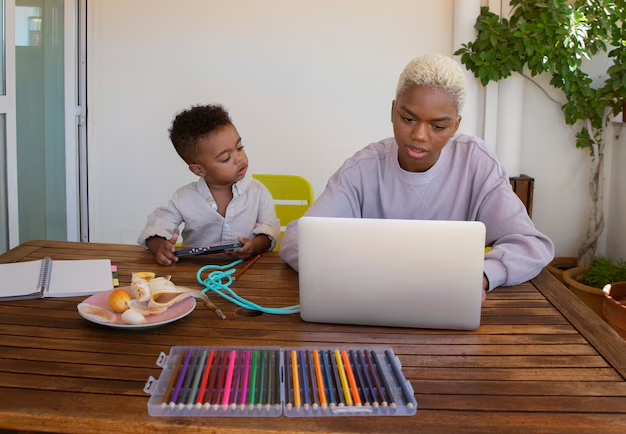
Establish clear boundaries to prevent work from taking over family time and vice versa. Communicate these boundaries to your employer, colleagues, and even your children. Designate specific hours for work and quality time with your child to ensure neither is neglected.

3. Leverage Support Systems

Parenting and Career Ambitions

You don’t have to do it all alone. Seek help from family members, friends, or a trusted caregiver when needed. If possible, explore childcare options that align with your work schedule to ensure your child is well cared for while you focus on your career.

4. Embrace Flexibility and Remote Work Options

If your job allows it, consider flexible work arrangements or remote work options. Many employers now offer hybrid schedules, which can help you stay present for your child while meeting your career obligations.

5. Practice Self-Care

Parenting and Career Ambitions

You can’t pour from an empty cup. Take time to rest, exercise, and engage in activities that help you recharge. A well-balanced lifestyle boosts your productivity and emotional well-being, making it easier to handle both parenting and career responsibilities.

6. Learn to Say No

Parenting and Career Ambitions

Not every opportunity or task deserves your immediate attention. Evaluate your commitments and decline activities that don’t align with your priorities. This prevents burnout and helps you focus on what truly matters.

7. Automate and Delegate Tasks

Parenting and Career Ambitions

Use technology to simplify tasks, schedule reminders, automate bill payments, and use meal-planning apps. At home, delegate chores to your children (if they’re old enough) or seek assistance with household duties when possible.

8. Stay Consistent with Small, Daily Wins

Parenting and Career Ambitions

Consistency is built through small, intentional actions. Even when things get tough, aim for small progress each day. Whether it’s completing a work task or spending quality time with your child, these little efforts add up over time.

In conclusion, I will say juggling parenting and career ambitions is no easy feat, but with intentionality and the right strategies, it is possible to stay consistent. Prioritize wisely, set clear boundaries, and seek support when needed. Remember, you’re not alone in this journey. Give yourself grace and celebrate the progress you make along the way. You can do it; just give these steps a try and you’re good to go.


Professor Jane Naana Opoku-Agyemang: Ghana’s First Female Vice President and Trailblazer for Women

Ghana has made history with the just-ended 2024 election, electing John Dramani Mahama as President and Jane Naana Opoku-Agyemang as the country’s first-ever female Vice President. This groundbreaking achievement of Ghana’s first female Vice president has sparked excitement and pride among Ghanaian women, who celebrate her as a symbol of progress and possibility.

A Trailblazing Career in Politics

Jane Naana Opoku-Agyemang’s journey to becoming Ghana’s first female Vice President began with her selection as the running mate for the National Democratic Congress (NDC) in July 2020 for the December 2020 General Elections. This made her the first female running mate from any of the two major political parties in Ghana. Her nomination by John Dramani Mahama was widely applauded by women’s groups and activists, who saw it as a groundbreaking move for gender balance in Ghanaian politics.

Her campaign focused on hope and progress, appealing to Ghanaians to vote for change while pledging to champion youth-centered policies and sustainable development. With her calm demeanor and issue-focused messaging, she avoided engaging in political attacks, earning her widespread respect.

In 2024, the NDC National Executive Committee reaffirmed their confidence in her by endorsing her again as Mahama’s running mate. Their victory in the elections sealed her place in history as Ghana’s first female Vice President. She was sworn into power on the 7th of January, 2025, at the Blackstar Square by the Chief Justice, Gertrude Araba Esaaba Sackey Torkornoo.

Who Is Jane Naana Opoku-Agyemang?

Ghana's First Female Vice President

Born on November 22, 1951, in Cape Coast, Jane Naana Opoku-Agyemang is a scholar, educator, and leader with an impressive track record. She attended Anglican Girls’ School in Koforidua, Aburi Presby Girls’ School, and Wesley Girls High School in Cape Coast. Her academic journey led her to earn a Diploma in Advanced Studies in French from the University of Dakar, followed by master’s and doctorate degrees from York University in Canada in 1980 and 1986, respectively.

A Legacy in Academia

Professor Opoku-Agyemang’s career began at the University of Cape Coast, where she became a distinguished educator and administrator. She held several leadership positions, including Head of the Department of English, Dean of the Faculty of Arts, and Founding Dean of the School of Graduate Studies and Research.

In 2008, she became the Vice Chancellor of the University of Cape Coast. Making her the first woman to hold that position at the university. Her leadership extended beyond academia, serving on notable boards such as the Centre for Democratic Governance (CDD-Ghana), the Africa Initiative in Canada, and the editorial board of the Harriet Tubman Series on the African Diaspora.

A Legacy of Leadership

Jane Naana Opoku-Agyemang has consistently broken barriers throughout her career. In March 2007, she was among five distinguished scholars selected to deliver presentations during the 200th Anniversary of the Abolition of Slavery at the United Nations Headquarters in New York City. This moment underscored her global recognition as a thought leader in African history and education.

In October 2009, she was elected as Ghana’s representative to the executive board of the United Nations Educational, Scientific, and Cultural Organisation (UNESCO), reflecting her commitment to advancing education and cultural development on the world stage.

Ahead of Ghana’s 2012 general elections, she made history again by moderating the presidential debate alongside Kojo Oppong Nkrumah, showcasing her ability to lead balanced and insightful national discussions.

Furthering her commitment to education, on October 26, 2018, she was appointed Chancellor of the Women’s University in Africa, located in Zimbabwe. This role highlights her passion for empowering women through education and fostering leadership across the continent.

Her Role in Government

Ghana's First Female Vice President

Between 2013 and 2017, Opoku-Agyemang served as Ghana’s Minister of Education under President John Mahama. Her tenure focused on inclusive policies, particularly empowering women and girls through education. Notably, she introduced the Inclusive Education Policy in 2015, ensuring access to education for children of all abilities.

A New Era for Ghana

Jane Naana Opoku-Agyemang’s rise to the vice presidency represents more than a political victory. It’s a momentous leap for women’s representation in Ghana. Her journey, from academia to politics, demonstrates the power of perseverance and the importance of creating opportunities for women in leadership.

As Vice President, she promises to champion sustainable development, youth empowerment, and inclusivity, paving the way for a brighter future for all Ghanaians. Her achievement inspires women across the nation to aim high and pursue their dreams.

Ghana’s history has been rewritten, and Professor Jane Naana Opoku-Agyemang stands at the forefront of this transformation. She truly is a trailblazer worth celebrating. A big congratulations to her for being the first-ever female Vice President of the 4th Republic of Ghana.

8 Fun and Festive Ways to Celebrate This Christmas Season with Your Family.

Christmas is a magical time of year, a season of joy, love, and togetherness. It’s the perfect opportunity to create unforgettable memories with your family. Whether you’re looking for relaxing activities or exciting adventures, here are eight fun ways to make this Christmas extra special for you and your loved ones.

1. Have a Beachside Christmas Picnic

If you live near the coast or want to escape the cold weather, a beach picnic is a fantastic way to celebrate Christmas. Pack a basket filled with festive snacks, drinks, and games, and enjoy the sand, surf, and sunshine with your family. Building sandcastles, playing beach volleyball, or simply relaxing under the sun will make a memorable day out.

2. Explore a Christmas Wonderland

Christmas parks and light displays are must-visit spots during the holiday season. These magical spaces are often filled with glowing decorations, twinkling lights, and festive music. Take your family for a stroll through the wonderland, snap photos by the Christmas tree, and soak up the festive ambiance.

3. Host a Holiday Movie Night

What’s better than going out with loved ones and watching Christmas movies? Create a cozy movie night at home with blankets, hot cocoa, and popcorn. Choose classics like Home Alone or The Polar Express, or explore new holiday releases for hours of heartwarming entertainment.

4. Take a Festive Family Trip

Traveling during Christmas is a great way to make the season even more special. Visit a nearby city, explore a charming town, or even venture abroad to experience Christmas traditions in another culture. From Christmas markets to snowy landscapes, traveling as a family can provide a fresh perspective on the holiday season.

5. Go on a Christmas Shopping Adventure

Turn holiday shopping into a fun-filled family outing. Visit a local mall or Christmas market to shop for gifts, decorations, and festive treats. Let the kids explore Santa’s grotto (if available) or enjoy holiday-themed activities. It’s a great way to check off your shopping list while enjoying the festive spirit.

6. Reconnect Through Family Visits or Staycations

Christmas is the perfect time to reconnect with extended family. Plan a visit to your relatives’ homes or host them at yours for a heartwarming celebration. If traveling isn’t an option, consider a staycation. Set aside time to relax, cook festive meals, and enjoy quality moments together.

7. Dive into the Fun at Local Festivals

Many communities host Christmas funfairs or festivals during the holiday season. These events often feature carnival rides, games, live music, and festive food. It’s a great way to get everyone in the holiday spirit and create lasting memories with kids and adults alike.

8. Attend a Christmas Carol Service

Amid all the festivities, don’t forget to reflect on the deeper meaning of the season. Attending a Christmas carol service as a family can be a beautiful way to celebrate love, hope, and togetherness. Singing along to timeless carols and hearing uplifting messages will leave everyone feeling inspired.

Conclusion

At its core, Christmas is about celebrating the bonds we share with our loved ones. Whether you’re enjoying a quiet evening at home or embarking on an exciting holiday adventure, the most important thing is to be together. This season, take the time to create memories that will warm your hearts for years to come. And don’t forget the reason for the season!

How do you plan to celebrate Christmas with your family this year? Let us know in the comments!

10 Effective Ways of Managing Your Mental Health as a Mom.

Managing your mental health as a mom is not only essential for your well-being but also for the overall happiness and health of your family. Being a mom is one of life’s most rewarding yet challenging roles. From the moment your little ones are born, you’re delving into a world of constant caregiving, and it’s easy to become overwhelmed.

Mental health challenges are often silent and can become serious if not addressed. If you’re struggling to manage it all, know that you’re not alone, and this article is for you.

Here are 10 effective ways to manage your mental health as a mom:

1. Don’t Take Things to Heart

As a mom, it’s easy to take every outburst from your child, a comment from a family member, or a minor setback personally. Learn to let go of minor irritations and not take things to heart. Being patient with others and yourself helps you maintain a calmer mindset and prevents emotional exhaustion.

2. Avoid Overthinking

Overthinking is a common trap many moms fall into, especially when balancing multiple responsibilities. Worrying about whether you’re doing enough or making the right decisions can lead to unnecessary stress. Give yourself grace and trust that you’re doing your best. Let go of the need for perfection and focus on what truly matters.

3. Share Responsibilities

Managing mental health

You don’t have to do it all alone. Share responsibilities with your partner, family members, or friends when possible. Whether it’s asking for help with household chores or delegating some child-care duties, sharing the load will relieve some pressure and give you more time to focus on your own well-being.

4. Get Enough Rest

Managing mental health

Getting proper rest is crucial for your mental health. When you’re sleep-deprived, it’s harder to regulate your emotions and handle the daily stress of motherhood. Prioritize your sleep by creating a routine for both yourself and your children. Restful nights will boost your mood and help you tackle the day with a fresh mind.

5. Don’t Yell Too Much

Managing mental health

Yelling can be a quick release for built-up frustration, but it can also create a tense atmosphere for both you and your children. Instead of raising your voice, practice calm communication and teach your children to express themselves in a similar way. This will reduce stress in the household and help you maintain your emotional balance.

6. Have a Daily Schedule

Managing mental health

A well-structured day helps reduce the mental load of juggling multiple tasks. Create a daily schedule that includes time for child care, work, and most importantly, self-care. Knowing what’s coming next can help alleviate anxiety and make your day run more smoothly.

7. Do What Makes You Happy

Don’t forget to nurture your passions and interests. Whether it’s a hobby, reading a book, or taking a walk, set aside time to do things that bring you joy. Doing what makes you happy will rejuvenate your spirit and provide a much-needed mental escape from the demands of motherhood.

Also Read about:

8. Have a Daily Conversation About What Bothers You

Managing mental health

Don’t bottle up your feelings. Share your thoughts and frustrations with someone you trust, a partner, friend, or counselor. Talking about what bothers you helps relieve mental strain and provides perspective. Daily conversations can also help you feel more supported in your journey as a mom.

9. Eat Healthy

Your physical health is closely tied to your mental health. Eating a balanced diet with plenty of fruits, vegetables, and whole foods will give you the energy you need to manage your day. Additionally, healthy eating habits can help improve your mood, making it easier to handle stressful situations.

10. Take a Break

Taking breaks is essential for avoiding burnout. Whether it’s a few minutes of quiet time, a coffee break, or even a weekend getaway, make sure to step away and recharge. Regular breaks will help you reset mentally and keep you from feeling overwhelmed.

Motherhood can be both fulfilling and mentally exhausting. By taking intentional steps to manage your mental health, you not only improve your well-being but also create a more peaceful and joyful home environment. Remember, it’s okay to ask for help, take breaks, and focus on yourself. A healthy mom is a happy mom and that’s the best gift you can give to your family.

8 Daily Exercises to Help You Reduce Weight: A Simple Guide for Busy Moms.

Losing weight and staying healthy doesn’t have to be complicated or time consuming. With the right exercises and habits, you can effectively shed those extra pounds and feel more energetic every day. Here are eight daily exercises and practices that can help you reduce weight, all while fitting into your busy schedule.

1. Drink Plenty of Water

Staying hydrated is one of the simplest yet most effective ways to support your weight loss journey. Drinking water before meals can help you feel fuller, reducing the likelihood of overeating. It also helps boost your metabolism and aids in the digestion process.

How to Make It a Habit: Carry a water bottle with you wherever you go, and set reminders on your phone to take a sip regularly.

2. Go for a Jog or Walk

Jogging or walking is a fantastic way to burn calories and improve cardiovascular health. Whether you prefer a brisk walk in the morning or a jog in the evening, this activity can easily be incorporated into your daily routine.

How to Make It a Habit: Start with a 15-minute walk or jog each day, and gradually increase the time as you build endurance. Consider taking a walk in the morning before you start your daily activities and also after meals to help with digestion.

3. Eat Plenty of Fruits and Vegetables

Incorporating more fruits and vegetables into your diet is crucial for weight loss. These foods are low in calories but high in fiber, keeping you full longer and helping you avoid unhealthy snacking.

How to Make It a Habit: Plan your meals around vegetables and include a serving of fruit with every meal. Keep fresh produce readily available for snacks.

4. Go Swimming

Daily Exercises to Reduce Weight

Swimming is an excellent full-body workout that burns a significant number of calories while being gentle on the joints. Whether you’re doing laps or simply enjoying a fun swim with the family, this activity can be both effective and enjoyable.

How to Make It a Habit: Aim to swim at least three times a week. If possible, join a local pool or swim group to stay motivated.

5. Practice Yoga

Daily Exercises to Reduce Weight

Yoga is not only great for relaxation and stress relief, but it also helps with weight loss. Certain poses can build strength, improve flexibility, and boost metabolism. Yoga also promotes mindfulness, which can help you make healthier food choices.

How to Make It a Habit: Start your day with a 10-15 minute yoga routine. There are plenty of online videos available that cater to different levels and goals.

6. Try Skipping Rope

Daily Exercises to Reduce Weight

Skipping rope is a high-intensity cardiovascular exercise that can burn a lot of calories in a short amount of time. It also improves coordination, agility, and endurance.

How to Make It a Habit: Start with 5-10 minutes of skipping daily. As your fitness level improves, gradually increase the duration.

7. Dance Your Way to Fitness

Daily Exercises to Reduce Weight

Dancing is a fun and effective way to get your heart rate up and burn calories. Whether it’s a structured dance class or just dancing around your living room, this activity can make weight loss enjoyable.

How to Make It a Habit: Dedicate 20-30 minutes a day to dancing. Choose your favorite music, and don’t be afraid to let loose!

8. Focus on Consistency

Daily Exercises to Reduce Weight

The key to weight loss success is consistency. It’s better to do moderate exercise every day than to engage in intense workouts sporadically. Combining these exercises with a healthy diet will yield the best results over time.

How to Make It a Habit: Set small, achievable goals and track your progress. Celebrate your milestones, and remember that every little bit counts.

Conclusion

By practicing these simple exercises and habits into your daily routine, you can steadily work towards your weight loss goals. The best and most interesting part is, these activities are easy to do, require minimal equipment, and can fit into even the busiest of schedules.

So grab your water bottle, lace up your sneakers, and get started on your journey to a healthier you. Let’s me know how this works after having a daily practice with them, How helpful it was to you and also

Personal Branding for Mompreneurs: How To Upgrade Your Business and Career.

What Is Personal Branding?

Personal branding is the process of creating a distinct and consistent image of yourself that represents your values, skills, and personality. Personal branding is crucial for mompreneurs as it sets you apart from others in your industry, establishes trust with your audience, and creates a memorable impression.

The Importance of Personal Branding

Personal Branding for mompreneurs

There are a lot of important aspects to personal branding, but these are the ones I would want to share with you as a mompreneur:

  • Credibility and Trust: A strong personal brand builds credibility and trust with your audience, making them more likely to engage with your business.
  • Opportunities: A well-established personal brand attracts new opportunities, such as collaborations, speaking engagements, and partnerships.
  • Differentiation: In a crowded market, personal branding helps you stand out and highlights your unique strengths and offerings.

Steps to Building a Personal Brand

  • Define Your Brand: Identify your core values, strengths, and the message you want to communicate to your audience regarding what you to be known for.
  • Create a Consistent Image: Use consistent visuals, tone, and messaging across all platforms. This will help with easy identification when someone is searching for you online.
  • Engage with Your Audience: Interact with your audience through social media, blogs, and events. Also, don’t forget to always reply, like, and appreciate the commnet you get on every post you do.
  • Showcase Your Expertise: Share your knowledge and experience through content creation, such as articles, videos, and podcasts. This can also involve in a real life story about you or something you have a little idea about.

Nurturing Meaningful Connections

Personal Branding for mompreneurs

Differentiating Networking from Building Relationships

Networking often involves meeting people and exchanging information for mutual benefit, while building relationships is about creating deeper, more meaningful connections based on trust, respect, and shared values.

Strategies for Cultivating Meaningful Connections

  • Be Genuine: Show genuine interest in others and listen actively.
  • Offer Value: Provide help, support, or valuable information without expecting immediate returns.
  • Stay Connected: Keep in touch regularly, whether through social media, email, or in-person meetups.
  • Follow-up: After meeting someone, follow up with a personalized message or note to reinforce the connection.

Leveraging Digital Platforms

Personal Branding for mompreneurs

Effective Use of Digital Platforms for Personal Branding

Digital platforms like social media, blogs, and websites are powerful tools for personal branding for mompreneurs. They allow you to reach a wider audience, showcase your expertise, and build your online presence.

Content Creation and Strategy

  • Identify Your Audience: Understand who your target audience is and what they are interested in.
  • Plan Your Content: Create a content calendar to ensure consistent and relevant posts.
  • Use Different Formats: Mix up your content with blog posts, videos, infographics, and podcasts.

Types of Content to Create

Personal Branding for mompreneurs

  • Educational Content: Share tips, how-to guides, and tutorials. Let this content be very interactive and engaging with your audience. Also, make it lively so that the audience will enjoy every bit of the seesions you post.
  • Personal Stories: Share your journey, challenges, and successes to connect on a personal level.
  • Industry Insights: Provide your perspective on industry trends and news.

Importance of Content in Brand Building

Content is the key to your personal branding. It helps you establish authority, engage with your audience, and build trust. Consistent, high-quality content keeps your audience coming back for more and positions you as a leader in your field.

Understanding Your Digital Footprint

We can’t talk about personal branding for mompreneurs without talking about the types of digital footprints that help us build and focus on the channel through which we build our brand.

  • Passive Digital Footprint

This refers to the information collected about you without your knowledge, such as browsing history, cookies, and location data.

  • Active Digital Footprint

This is the data you intentionally create and share online, such as blog posts, social media updates, and forum comments.

Building Your Community

Tools and Techniques for Community Building

  • Social Media Groups: Create and manage groups on platforms like Facebook or LinkedIn to foster discussions and connections.
  • Email Newsletters: Regularly send out newsletters with valuable content and updates to keep your audience engaged.
  • Online Forums: Participate in or create forums related to your industry or interests to make your presence online relevant.
  • Events and Webinars: Host virtual or in-person events to bring your community together and provide value.

By understanding and implementing these strategies, mompreneurs can effectively build their personal brand, nurture meaningful connections, leverage digital platforms, and create a thriving community.

Balancing Love and Parenthood: How To Maintain A Healthy Relationship With Your Partner When You’re a Parent.

We all know that becoming a parent is one of life’s greatest joys, but it can also be one of its biggest challenges. especially when it comes to maintaining a healthy relationship with your partner. Between diaper changes, sleepless nights, and the endless demands of parenthood, it’s easy to let your relationship take a back seat.

But don’t worry, with a little effort and some thoughtful strategies, you can keep the spark alive and your bond strong. Here are seven (7) steps to look at to help you build and maintain a healthy relationship with your partner.

1. Prioritize Communication

Healthy Relationship Partne

Communication is one of the most important tools to help you build and maintain a healthy relationship with your partner. And to make this happen, you have to make time each day to check in with each other. Even if it’s just a few minutes, talking about your day, your feelings, and any concerns can help you stay connected. Be open and honest about your needs, and listen to your partner’s. Effective communication is key to understanding and supporting each other.

2. Schedule Date Nights

Healthy Relationship Partne

Keep the romance alive by having regular date nights, which are a great way to reconnect and have some fun together. It doesn’t have to be extravagant; a cozy dinner at home, a movie night, or a walk in the park can do wonders. Try to plan at least one date night a month, and stick to it. It’s an investment in your relationship that’s worth making.

3. Share Responsibilities

Healthy Relationship Partne

Teamwork makes the dream work. Parenting is a partnership, so make sure you’re sharing responsibilities. This includes everything from childcare to household chores. Work together to create a balanced routine that allows both of you to have some downtime. When you share the load, it reduces stress and fosters a sense of teamwork.

4. Show Appreciation

Healthy Relationship Partne

Don’t forget to show appreciation for each other. A simple thank you, a compliment, or a small act of kindness can go a long way in making your partner feel valued and loved. Celebrate the little victories and milestones together. Acknowledging each other’s efforts helps build a positive and supportive environment.

5. Keep the Intimacy Alive

Healthy Relationship Partne

Stay connected always, because physical intimacy is an important part of any relationship. Even if you’re tired, make an effort to be affectionate. Holding hands, hugging, and kissing can help maintain a close connection. When you’re ready, find time for intimacy. It might require a bit of planning, but it’s essential for keeping your relationship strong.

6. Support Each Other’s Interests

Encourage each other to pursue hobbies and interests outside of parenting. Whether it’s a solo activity or something you can enjoy together, supporting each other’s passions can enrich your relationship. Respect each other’s need for personal time and space. It’s healthy to have interests and activities that are just for you.

7. Seek Help When Needed

Don’t be afraid to ask for help If you’re feeling overwhelmed, it’s okay to ask for help. Whether it’s from family, friends, or a professional, seeking support can provide relief and perspective. Consider couples therapy if you’re facing persistent challenges. A therapist can help you navigate difficulties and strengthen your relationship.

Maintaining a healthy relationship with your partner while being a parent is a delicate balance, but it’s achievable. By prioritizing communication, making time for each other, sharing responsibilities, and showing appreciation, you can keep your bond strong and continue to grow together. Remember, a happy and healthy relationship sets a positive example for your children and creates a loving environment for your whole family. Here’s to love, teamwork, and lots of happy moments together!

10 Alternatives to Punishing Your Child

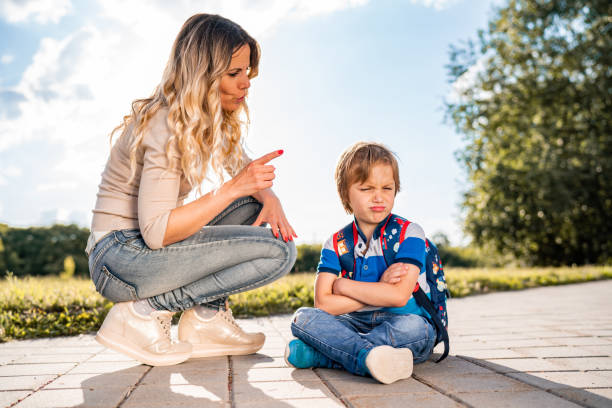
Parenting can be challenging, especially when it comes to disciplining and punishing your child. While punishment may seem like the quickest way to correct behavior, it can often lead to resentment and fear. It usually doesn’t teach the underlying lessons you want your child to learn.

Disciplining children is one of the most challenging. That’s why I want to take you through 10 alternative punishments you can give your children when they misbehave.

1. Positive Reinforcement

alternate punishing child

Rewarding good behavior can be more effective than punishing bad behavior. Praise and reward your child when they complete their chores or display good manners. This encourages them to repeat these positive actions. It also encourages them to always want to be of good behavior.

2. Family Meetings

alternate punishing child

Regular family meetings can be a great platform for discussing issues and setting expectations. Use these meetings to talk about behavior, set family rules, and allow children to express their feelings and opinions. This gives them a sense of belonging and mutual respect. It also allows you, as a parent, to know where the child is falling short of the family rules and helps you adjust.

3. Empathy and Understanding

alternate punishing child

Understanding the reasons behind your child’s behavior can help you address the root cause rather than just the symptoms. Ask questions to understand their feelings and motivations behind what they did. Validate their emotions and help them find appropriate ways to express themselves. With this, you can relate to whatever they’re feeling.

4. Teaching Emotional Regulation

alternate punishing child

Help your child understand and manage their emotions through age-appropriate techniques and activities. Teach deep breathing exercises, mindfulness, or using words to express feelings. Encourage your child to say, “I’m feeling frustrated because…” instead of acting out. Children act on very little things and sometimes want to be understood in every situation. Expressing how they feel makes them calm and explains why they acted inappropriately.

5. Setting Clear Expectations

alternate punishing child

Communicate your expectations and the reasons behind them to help your child understand what is acceptable and unacceptable. Explain why they need to clean up their room and the benefits of a tidy space, setting a clear standard for cleanliness. Show patience and kindness in your interactions, and your child is more likely to emulate those behaviors. For instance, you can say, “We need to clean up before bedtime because it helps us find things more easily in the morning,” or “We speak kindly to each other to make everyone feel respected.”

6. Logical Consequences

alternate punishing child

Logical consequences are directly related to the misbehavior and help children see the connection between their actions and the outcomes. If they draw on the walls, they help clean it up. If they break a rule about screen time, they lose some screen time the next day. If they break a toy by being careless, they don’t get a replacement immediately. They learn to take care of their belongings and become more responsible.

7. Natural Consequences

Allow your child to experience the natural consequences of their actions, provided they are safe. This helps them understand the impact of their behavior. If they refuse to wear a coat, they might feel cold. If they don’t clean up their toys, they might not be able to find their favorite ones later. If they forget their homework, they face the teacher’s response, teaching them responsibility and the importance of being prepared.

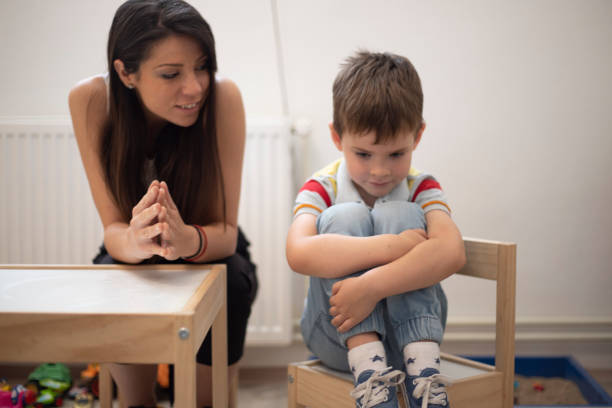
8. Calm Down Corner

alternate punishing child

Create a calming space where your child can go to relax and regain control of their emotions. Fill the corner with soft pillows, books, and calming activities like coloring or sensory toys. Encourage your child to use this space when they feel overwhelmed or start to misbehave. This makes them calm and relaxed in the way, and by the time they come out of there, they are calm.

9. Teach Empathy

alternate punishing child

Help your child understand the impact of their actions on others. Talk to your child about how their behavior affects others. Encourage them to consider others’ feelings and to practice empathy in their interactions. You can also take their favorite toys from them whenever they talk to people rudely. Or refrain from buying their favorite snack from them anytime they look down on someone.

10. Problem-Solving Together

Involve your child in finding solutions to problems. This empowers them and teaches them to take responsibility for their actions. This is a suggested question you can ask, “How do you think we can make sure your toys are picked up every night?” or “What could you do differently next time?”

Using these positive alternatives to punishment helps build a strong, respectful relationship with your child while teaching them important life skills. By focusing on understanding, communication, and collaboration, you can guide your child toward better behavior without the negative effects of punishment. Embrace these strategies to foster a nurturing and supportive environment where your child can thrive.

The Family Trip Packing Guide: What to Pack for a Fun-Filled Adventure

Planning a family trip? Whether you’re heading to the beach, the mountains, or a bustling city, packing for a family can feel like a difficult task. But fear not, I’m here to help you make the process smooth and stress-free.

Here are seven-step guides to packing for an exciting family trip.

1. items of clothing

Family Trip

You cannot go on a family trip without packing clothes. When packing your clothes, make sure you pack smartly and avoid heavy clothes that will make your language heavy. Here are the things to pack according to the people going for the trip.

For Everyone

  • Comfortable clothes for each day, plus a couple of extras just in case.
  • hoodies or light jackets.
  • Pajamas.
  • Swimsuits (if you’re headed to a beach or pool).

For Kids:

  • Plenty of socks and underwear.
  • A few sets of their favorite outfits to keep them happy.

For Adults:

  • A mix of casual and a couple of dressier outfits (you never know when you might have a nice dinner out).

2. Toiletries and Personal Care

Family Trip

There’s no way you’ll pack your stuff and forget toiletries. Have all your toiletries packed and make sure they’re in adequate. Toiletries like;

  • Toothbrushes and toothpaste.
  • Shampoo, conditioner, and body wash.
  • Hairbrush or comb.
  • Sunscreen and insect repellent.
  • Any medications or prescriptions.
  • A basic first aid kit (band-aids, antiseptic wipes, pain relievers).

3. Snacks and Drinks

Family Trip

To stay fueled and hydrated, you need some snacks for these trips especially when you’re going on a long journey. This will help in getting something to eat to sustain you for the journey.

  • A variety of snacks (granola bars, fruit, crackers).
  • Reusable water bottles for everyone.
  • Juice boxes or small packs of your kids’ favorite drinks.
  • A small cooler if you need to keep things fresh.

4. Entertainment and Comfort

Family Trip

Yes, some trips might be on a long journey and it could be kind of boring. Some of these are some of the items or equipment you need to keep you awake and entertained for a while in order not to catch boredom.

  • Books, coloring books, and crayons.
  • Tablets or portable DVD players with headphones.
  • A few favorite toys or stuffed animals.
  • Travel games and cards.

5. Important Documents and Money

Family Trip

You need to be prepared for any inconvenience occurrence. That’s why you need to have on you a lot of money and also important documents. To avoid any setbacks and displeasure during the journey.

  • IDs and passports (if traveling internationally).
  • Print copies of your travel itinerary and reservations.
  • Wallet with cash and credit cards.
  • Health insurance cards.

6. Miscellaneous Must-Haves

Aside getting all the items mentioned above, you need miscellaneous in case you do not make it to the destinated trip it can help you in along the way.

  • A sturdy, comfortable stroller (if you have a little one).
  • Portable crib or travel bed.
  • Baby wipes and diapers (if needed).
  • Extra plastic bags for dirty clothes or trash.
  • Chargers for all electronic devices.
  • A camera to capture all the fun moments!

7. Special Items for Special Destinations


Every trip is been planned for some purposes and there’s different destinations planned on every trip. sometimes it could be just one destination and other time it could two or more. These are the items needed for such trips.

  • Beach trip: Towels, sand toys, and beach umbrellas.
  • Camping: Tents, sleeping bags, and camping gear.
  • City Adventure: Comfortable walking shoes, a lightweight backpack, and maps or guidebooks.

Packing for a family trip doesn’t have to be a headache. With a little planning and this handy checklist, you’ll be all set for a fantastic adventure. Remember to pack with a smile and enjoy the excitement of exploring new places together. Here’s to making amazing memories on your family trip. Enjoy your trip.

5 Important Tips for Traveling with Kids: Car, Train, Boat, and Plane

Traveling with kids can be an adventure filled with memorable moments and occasional challenges. Whether you’re embarking on a road trip, taking a train, setting sail on a boat, or flying to a far-off destination, a little preparation goes a long way in ensuring a smooth journey.

Tips To Take note Of Before Travelling With Your kids

I want to take you through five important tips to help you make your travels with your kids enjoyable and stress-free.

1. Pack Smart and Light

Traveling with Kids

When traveling with kids, packing can feel overwhelming. The key is to pack smart and light while ensuring you have all the essentials.

  • Always include a first-aid kit, snacks, water bottles, wet wipes, diapers (for babies), and a change of clothes for each kid.
  • Bring along some appropriate toys, books, or tablets loaded with educational games and movies to keep them occupied and entertained.
  • Use packing cubes or separate bags for each kid’s belongings to make it easy to find what you need quickly and to avoid misunderstandings and petty fights among them

Keeping your luggage organized and accessible helps you stay prepared for any situation without being overloaded with unnecessary items.

2. Plan for Frequent Breaks

Traveling with Kids

Kids have shorter attention spans and higher energy levels, which means they need more frequent breaks to stretch and move around. Whether you’re traveling by car, train, boat, or plane, make sure to:

  • Plan stops at rest areas or parks every couple of hours. Let the kids run around and burn off some energy. This is done when you’re traveling with your car.
  • Train: Walk through the train cars and take advantage of any scenic stops or layovers.
  • Boat: Explore different parts of the boat, participate in onboard activities, or simply take a walk on the deck.
  • Plane: Encourage kids to walk up and down the aisle when it’s safe to do so, and use layover times to explore the airport.

Frequent breaks help prevent restlessness and crankiness, making the journey more pleasant for everyone.

3. Stay Flexible with Your Schedule

Traveling with Kids

Traveling with kids means things might not always go as planned. Delays, tantrums, and unexpected events can happen. To stay flexible

  • Always leave extra time in your schedule for unforeseen delays and additional breaks.
  • Be ready to change plans if necessary. If a child needs a nap, find a quiet spot to rest, even if it means altering your flight plan.
  • Understand that you might not see or do everything you originally planned. The goal is to make the journey enjoyable for everyone.

A flexible mindset helps reduce stress and allows you to adapt to any situation that arises.

4. Prioritize Safety and Comfort

Traveling with Kids

Ensuring your kids’ safety and comfort during travel is paramount. Here’s how to prioritize both:

  • Car: Use appropriate car seats and seat belts. Pack blankets and pillows for comfort during long drives.
  • Train: Keep an eye on children when moving between cars and ensure they understand the rules of train travel.
  • Boat: Equip kids with life jackets and familiarize them with boat safety protocols.
  • Plane: Make sure kids are securely fastened during takeoff, landing, and turbulence. Bring a favorite blanket or stuffed animal to comfort them.

By focusing on safety and comfort, you create a secure environment that allows kids to relax and enjoy the journey.

5. Engage and Involve Your Kids

Traveling with Kids

Involving your kids in the travel process can make the experience more exciting and educational for them. Here’s how to engage them:

  • Before the trip, talk to your kids about the destination and what to expect. Show them pictures and maps to spark their interest.
  • Plan interactive activities such as travel journals, or photography challenges.
  • Give older kids small responsibilities like carrying their own backpacks, choosing snacks, or navigating with a map.

Engaging kids in the travel process not only keeps them entertained but also helps them learn and feel more involved in the adventure.

Conclusion

Traveling with kids can be a joyful and rewarding experience with the right preparation and mindset. By packing smart, planning for breaks, staying flexible, prioritizing safety, and engaging your kids, you set the stage for a memorable journey filled with fun and family bonding. So, embrace the adventure and create lasting memories