Practical Ways to Stay Consistent When Juggling Parenting and Career Ambitions

There’s a difference between parenting and career ambitions. Both of these responsibilities come with huge commitments and tasks. But how to stay consistent in juggling both at the same time is what matters, and that can be very difficult and overwhelming.

Parenting is a career on its own, requiring time, attention, and patience, especially as a single mom. It takes a determined and strong-willed woman to combine career aspirations with parenting.

In this piece, I want to talk about some practical ways to stay consistent when juggling parenting and career ambitions.

1. Prioritize and Plan Ahead

Effective time management is key. Create a daily or weekly schedule that outlines your work commitments and parenting responsibilities. Prioritize tasks based on urgency and importance, and set realistic expectations for what you can achieve within a given time frame.

2. Set Boundaries Between Work and Family Time

Establish clear boundaries to prevent work from taking over family time and vice versa. Communicate these boundaries to your employer, colleagues, and even your children. Designate specific hours for work and quality time with your child to ensure neither is neglected.

3. Leverage Support Systems

Parenting and Career Ambitions

You don’t have to do it all alone. Seek help from family members, friends, or a trusted caregiver when needed. If possible, explore childcare options that align with your work schedule to ensure your child is well cared for while you focus on your career.

4. Embrace Flexibility and Remote Work Options

If your job allows it, consider flexible work arrangements or remote work options. Many employers now offer hybrid schedules, which can help you stay present for your child while meeting your career obligations.

5. Practice Self-Care

Parenting and Career Ambitions

You can’t pour from an empty cup. Take time to rest, exercise, and engage in activities that help you recharge. A well-balanced lifestyle boosts your productivity and emotional well-being, making it easier to handle both parenting and career responsibilities.

6. Learn to Say No

Parenting and Career Ambitions

Not every opportunity or task deserves your immediate attention. Evaluate your commitments and decline activities that don’t align with your priorities. This prevents burnout and helps you focus on what truly matters.

7. Automate and Delegate Tasks

Parenting and Career Ambitions

Use technology to simplify tasks, schedule reminders, automate bill payments, and use meal-planning apps. At home, delegate chores to your children (if they’re old enough) or seek assistance with household duties when possible.

8. Stay Consistent with Small, Daily Wins

Parenting and Career Ambitions

Consistency is built through small, intentional actions. Even when things get tough, aim for small progress each day. Whether it’s completing a work task or spending quality time with your child, these little efforts add up over time.

In conclusion, I will say juggling parenting and career ambitions is no easy feat, but with intentionality and the right strategies, it is possible to stay consistent. Prioritize wisely, set clear boundaries, and seek support when needed. Remember, you’re not alone in this journey. Give yourself grace and celebrate the progress you make along the way. You can do it; just give these steps a try and you’re good to go.

6 Fun Family Activities for Rainy Days

Rainy days do not have to put a hold on family fun, especially when you plan an outing and it begins to rain. I will say it is a great thing when the weather keeps you indoors because it’s the perfect opportunity to enjoy some quality time together.

Here are six fantastic family activities that will keep everyone entertained and create lasting memories.

1. Storytelling Adventures

family Activities

Story-telling is one of the most interesting family activities to do on rainy days with your family. Gather everyone in the living room, dim the lights, and let your imagination run wild. Take turns telling stories, or work together to create an epic family tale. It is not a bad thing to use props, costumes, or puppets to make the stories come alive. This is a great way to encourage creativity and bond over shared laughter and excitement.

2. Family Movie

family Activities

Ever dwondered how interesting it will be to watch movies together with your family on a rainy day?Create a cozy movie theater at home with blankets, pillows, and a selection of family favorites. Let each family member pick a movie, and settle in for a day of fun. Don’t forget the popcorn and snacks. Make it extra special by trying out new recipes or creating treats based on the movies you’re watching.

3. Baking

Head to the kitchen and plan some delicious treats together. Whether it’s cookies, cupcakes, or a family-favorite recipe. Baking is a fun and rewarding way to spend a rainy day. You can assign different tasks to each family member, from measuring ingredients to decorating the final product. create a fun atmosphere as you bake, dance, sing, laugh, and enjoy the sweet results of your teamwork and creativity.

4. Jigsaw Puzzle Challenge

Choose a jigsaw puzzle that matches your family’s skill level and work together to complete it. Puzzles are great for developing problem-solving skills and patience. For an added twist, set a timer and see how quickly you can finish the puzzle. Celebrate your success with a special treat or an impromptu dance party.

5. Chess Tournament

family Activities

Chess is a fantastic way to exercise your brain and develop strategic thinking. Get a chessboard and organize a family chess tournament. If some family members are new to the game, take the opportunity to teach them the rules and basic strategies. You might discover a new family champion.

6. Play Video Games

family Activities

Bring out the gaming consoles and enjoy a video game marathon. Choose family-friendly games that everyone can play, and take turns or team up for some cooperative fun. Mix things up with a variety of games, from racing and sports to adventure and puzzle games. Keep track of scores and celebrate the winners with fun prizes.

Rainy days can be the perfect time to reconnect with your family and enjoy some indoor fun. Whether you’re telling stories, baking treats, or competing in games, these activities will keep everyone entertained and create wonderful memories. So the next time the rain clouds roll in, you’ll be ready to turn a dreary day into a delightful family adventure.

10 Fun Ways to Get Your Child Involved with Chores Around the House

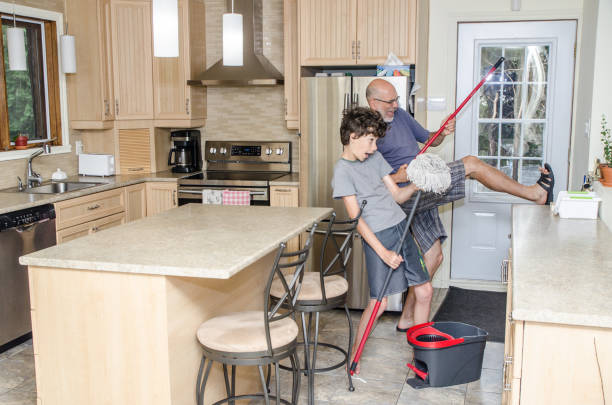
As parents, getting a child to help with chores can sometimes feel challenging, but it doesn’t have to be. Involving your children in household tasks helps keep your home tidy and teaches them valuable life skills, responsibility, and teamwork.

Imagine having to chase your children around because you want them to finish their chores. That could be very hectic and draining. So, here are 10 fun and effective ways to get your child involved with chores around the house without any stress, yelling, or chasing them around.

1. Make It a Game

Child chores

Turning chores into fun activities, like creating a chore chart with colorful stickers and rewards for completed tasks. You can also set a timer and see who can clean up the fastest, turning tidying up into a race. This helps the children work with ease and have fun doing their chores.

2. Use Positive Reinforcement

Children who are praised for completing their chores are always eager to do more. So always make it a point to celebrate their efforts. Praise your child for their hard work and let them know you appreciate their help. Offer small rewards like extra playtime or a special treat when they complete their chores.

3. Start Young

Child chores

There is a saying that goes, “The early bird catches the early worm,” and it is important to practice early involvement. This will help your children get used to the chores and get involved. Make sure you introduce chores at a young age with simple tasks like putting away toys or matching socks. Make chores a regular part of their routine so they become accustomed to helping out.

4. Make It a Family Affair

It is advisable to always work in a team as a family during house chores. This improves and adds fun to the chores for the children because teamwork always yields productivity. Set aside time for the whole family to work on chores together. It’s a great way to bond and get things done faster. Play music and dance around while cleaning to make it more enjoyable for everyone.

5. Assign Age-Appropriate Tasks

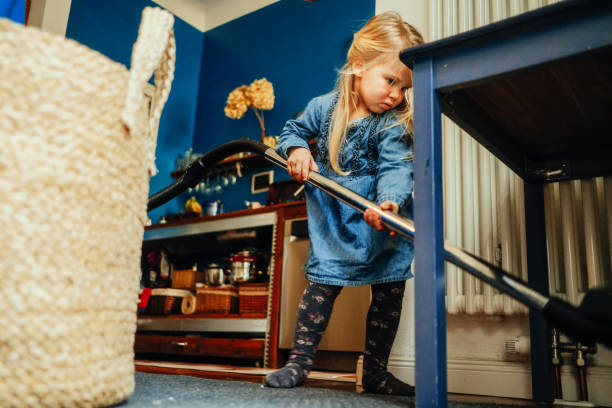
Tailor chores to the abilities of your children. Give younger children simpler tasks like dusting low surfaces or watering plants. Older kids can handle more complex chores like folding laundry, vacuuming, or helping with meal prep. This will help the children know the tasks they are all assigned and make sure they complete them without making any complaints.

6. Teach by Example

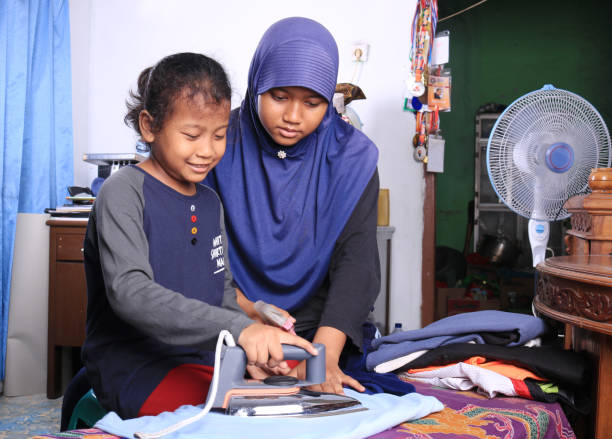
A proper way to also involve your children in chores in the house is to lead the way. Show your children how to do each chore step-by-step and explain why it’s important. Work alongside them initially to ensure they understand and feel confident doing the task on their own. If they see you working, they’ll surely want to help with whatever chores you’re involved in and extend a hand of help.

7. Create a Chore Rotation

Child chores

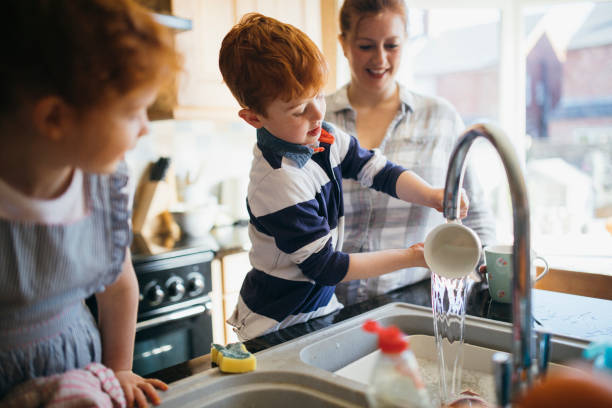
In my house, for instance, children take turns washing the dishes and tidying the kitchen. This makes chores amongst them easy and solves so many conflicts and misunderstandings. Just make sure you keep it interesting by rotating chores weekly so your child doesn’t get bored with the same tasks. This also helps them learn a variety of skills and understand the different responsibilities that go into maintaining a household.

8. Make It Educational

Child chores

Learning and teaching the children through chores incorporates lessons into chores, such as counting items while setting the table or learning about recycling while sorting trash. Use chore time to teach life skills like cooking, organizing, and time management. This takes the children a long way because they get used to the work and adapt to it.

9. Set Clear Expectations

Child chores

Consistency is key, clearly explain what each chore entails and how often it needs to be done. Create a visual schedule or checklist to help them keep track of their responsibilities. While at this, make sure you attach a form of punishment to it, such as completing chores before going to play, going out, or even having some siesta.

10. Encourage Independence

Child chores

Empower your child to be responsible in their chores. Allow your child to take ownership of their chores and complete them in their own way, as long as the job gets done. Give them opportunities to take on new responsibilities as they grow older and more capable.

Involving your child in household chores doesn’t have to be a struggle. By making chores fun, setting clear expectations, and using positive reinforcement, you can turn daily tasks into valuable learning experiences. Not only will your home stay tidier, but your child will also develop important skills that will serve them well into adulthood.

Balancing Love and Parenthood: How To Maintain A Healthy Relationship With Your Partner When You’re a Parent.

We all know that becoming a parent is one of life’s greatest joys, but it can also be one of its biggest challenges. especially when it comes to maintaining a healthy relationship with your partner. Between diaper changes, sleepless nights, and the endless demands of parenthood, it’s easy to let your relationship take a back seat.

But don’t worry, with a little effort and some thoughtful strategies, you can keep the spark alive and your bond strong. Here are seven (7) steps to look at to help you build and maintain a healthy relationship with your partner.

1. Prioritize Communication

Healthy Relationship Partne

Communication is one of the most important tools to help you build and maintain a healthy relationship with your partner. And to make this happen, you have to make time each day to check in with each other. Even if it’s just a few minutes, talking about your day, your feelings, and any concerns can help you stay connected. Be open and honest about your needs, and listen to your partner’s. Effective communication is key to understanding and supporting each other.

2. Schedule Date Nights

Healthy Relationship Partne

Keep the romance alive by having regular date nights, which are a great way to reconnect and have some fun together. It doesn’t have to be extravagant; a cozy dinner at home, a movie night, or a walk in the park can do wonders. Try to plan at least one date night a month, and stick to it. It’s an investment in your relationship that’s worth making.

3. Share Responsibilities

Healthy Relationship Partne

Teamwork makes the dream work. Parenting is a partnership, so make sure you’re sharing responsibilities. This includes everything from childcare to household chores. Work together to create a balanced routine that allows both of you to have some downtime. When you share the load, it reduces stress and fosters a sense of teamwork.

4. Show Appreciation

Healthy Relationship Partne

Don’t forget to show appreciation for each other. A simple thank you, a compliment, or a small act of kindness can go a long way in making your partner feel valued and loved. Celebrate the little victories and milestones together. Acknowledging each other’s efforts helps build a positive and supportive environment.

5. Keep the Intimacy Alive

Healthy Relationship Partne

Stay connected always, because physical intimacy is an important part of any relationship. Even if you’re tired, make an effort to be affectionate. Holding hands, hugging, and kissing can help maintain a close connection. When you’re ready, find time for intimacy. It might require a bit of planning, but it’s essential for keeping your relationship strong.

6. Support Each Other’s Interests

Encourage each other to pursue hobbies and interests outside of parenting. Whether it’s a solo activity or something you can enjoy together, supporting each other’s passions can enrich your relationship. Respect each other’s need for personal time and space. It’s healthy to have interests and activities that are just for you.

7. Seek Help When Needed

Don’t be afraid to ask for help If you’re feeling overwhelmed, it’s okay to ask for help. Whether it’s from family, friends, or a professional, seeking support can provide relief and perspective. Consider couples therapy if you’re facing persistent challenges. A therapist can help you navigate difficulties and strengthen your relationship.

Maintaining a healthy relationship with your partner while being a parent is a delicate balance, but it’s achievable. By prioritizing communication, making time for each other, sharing responsibilities, and showing appreciation, you can keep your bond strong and continue to grow together. Remember, a happy and healthy relationship sets a positive example for your children and creates a loving environment for your whole family. Here’s to love, teamwork, and lots of happy moments together!

10 Alternatives to Punishing Your Child

Parenting can be challenging, especially when it comes to disciplining and punishing your child. While punishment may seem like the quickest way to correct behavior, it can often lead to resentment and fear. It usually doesn’t teach the underlying lessons you want your child to learn.

Disciplining children is one of the most challenging. That’s why I want to take you through 10 alternative punishments you can give your children when they misbehave.

1. Positive Reinforcement

alternate punishing child

Rewarding good behavior can be more effective than punishing bad behavior. Praise and reward your child when they complete their chores or display good manners. This encourages them to repeat these positive actions. It also encourages them to always want to be of good behavior.

2. Family Meetings

alternate punishing child

Regular family meetings can be a great platform for discussing issues and setting expectations. Use these meetings to talk about behavior, set family rules, and allow children to express their feelings and opinions. This gives them a sense of belonging and mutual respect. It also allows you, as a parent, to know where the child is falling short of the family rules and helps you adjust.

3. Empathy and Understanding

alternate punishing child

Understanding the reasons behind your child’s behavior can help you address the root cause rather than just the symptoms. Ask questions to understand their feelings and motivations behind what they did. Validate their emotions and help them find appropriate ways to express themselves. With this, you can relate to whatever they’re feeling.

4. Teaching Emotional Regulation

alternate punishing child

Help your child understand and manage their emotions through age-appropriate techniques and activities. Teach deep breathing exercises, mindfulness, or using words to express feelings. Encourage your child to say, “I’m feeling frustrated because…” instead of acting out. Children act on very little things and sometimes want to be understood in every situation. Expressing how they feel makes them calm and explains why they acted inappropriately.

5. Setting Clear Expectations

alternate punishing child

Communicate your expectations and the reasons behind them to help your child understand what is acceptable and unacceptable. Explain why they need to clean up their room and the benefits of a tidy space, setting a clear standard for cleanliness. Show patience and kindness in your interactions, and your child is more likely to emulate those behaviors. For instance, you can say, “We need to clean up before bedtime because it helps us find things more easily in the morning,” or “We speak kindly to each other to make everyone feel respected.”

6. Logical Consequences

alternate punishing child

Logical consequences are directly related to the misbehavior and help children see the connection between their actions and the outcomes. If they draw on the walls, they help clean it up. If they break a rule about screen time, they lose some screen time the next day. If they break a toy by being careless, they don’t get a replacement immediately. They learn to take care of their belongings and become more responsible.

7. Natural Consequences

Allow your child to experience the natural consequences of their actions, provided they are safe. This helps them understand the impact of their behavior. If they refuse to wear a coat, they might feel cold. If they don’t clean up their toys, they might not be able to find their favorite ones later. If they forget their homework, they face the teacher’s response, teaching them responsibility and the importance of being prepared.

8. Calm Down Corner

alternate punishing child

Create a calming space where your child can go to relax and regain control of their emotions. Fill the corner with soft pillows, books, and calming activities like coloring or sensory toys. Encourage your child to use this space when they feel overwhelmed or start to misbehave. This makes them calm and relaxed in the way, and by the time they come out of there, they are calm.

9. Teach Empathy

alternate punishing child

Help your child understand the impact of their actions on others. Talk to your child about how their behavior affects others. Encourage them to consider others’ feelings and to practice empathy in their interactions. You can also take their favorite toys from them whenever they talk to people rudely. Or refrain from buying their favorite snack from them anytime they look down on someone.

10. Problem-Solving Together

Involve your child in finding solutions to problems. This empowers them and teaches them to take responsibility for their actions. This is a suggested question you can ask, “How do you think we can make sure your toys are picked up every night?” or “What could you do differently next time?”

Using these positive alternatives to punishment helps build a strong, respectful relationship with your child while teaching them important life skills. By focusing on understanding, communication, and collaboration, you can guide your child toward better behavior without the negative effects of punishment. Embrace these strategies to foster a nurturing and supportive environment where your child can thrive.

5 Ways to Teach Your Kids About Jobs and Good Work Ethics

Instilling a strong work ethic in your child is one of the most valuable lessons you can impart. Teaching them about jobs and the importance of good work habits prepares them for future careers and also helps them develop responsibility, discipline, and a sense of achievement.

Here are five effective ways to teach your child about jobs and good work ethics.

1. Lead by Example

kids good work ethics

Children learn a great deal by observing the adults around them. By demonstrating a strong work ethic yourself, you can set a powerful example for your child. Whether you are working from home or outside the house, show your child that you are dedicated to your job.

Discuss your workday and explain the importance of being reliable and doing your best. Illustrate the importance of balancing work and personal life. Show how you manage your responsibilities while making time for family and relaxation.

2. Introduce Age-Appropriate Chores

kids good work ethics

Assigning age-appropriate chores is an excellent way to teach children about responsibility and the concept of work. Begin with simple tasks like making the bed, setting the table, or feeding pets. Gradually introduce more complex chores as they grow older.

Implement a reward system where they earn a small allowance or privileges for completing their chores. This helps them understand the concept of earning and the value of money.

3. Encourage Volunteering

kids good work ethics

Volunteering is a fantastic way to teach children about work ethic, empathy, and the importance of giving back to the community. Look for volunteer opportunities that align with their interests, such as helping at animal shelters, community clean-ups, or assisting in events organized in society.

After volunteering, discuss their experiences and feelings about helping others. This reflection can strengthen the value of hard work and community service.

4. Educational Games and Role-Playing

kids good work ethics

Interactive and fun activities can be a great way to teach children about different jobs and work ethics. There are many educational games available that talk about different professions. These games can help children understand the variety of jobs and what they entail.

Encourage role-playing activities where your child can pretend to be a doctor, teacher, chef, or any other profession they are interested in. This can be both fun and educational.

5. Discuss Real-Life Examples

Use real-life examples and stories to illustrate the importance of a good work ethic and different types of jobs. Talk about the jobs of family members and friends, explaining what they do and why their work is important. Emphasize the effort and dedication required in their roles.

Choose books, movies, or TV shows that showcase positive work ethics and different careers. Discuss the characters’ actions and decisions, focusing on their work habits and ethics.

Conclusion

Teaching your child about jobs and good work ethics is an ongoing process that can be both rewarding and educational. By leading by example, introducing chores, encouraging volunteering, using educational games, and discussing real-life examples, you can help your child develop a strong work ethic that will benefit them throughout their lives.

These lessons will prepare them for future careers and impact a sense of responsibility and achievement that will serve them well in all aspects of life.

10 Must-Have Accessories for Mums

Being a mum is a full-time job, and having the right accessories can make a world of difference in your day-to-day life. Whether you’re a new mom or someone who has been a mom for a long time, here are 10 must-have accessories to help you stay organized, stylish, and ready for anything.

These accessories help you in times of need or remind you of what to do and not do at a particular time in a specific place.

1. Diaper Bag Backpack

Accessories for Mums

Forget the bulky, unorganized diaper bags of the past. A diaper bag backpack is a game-changer. It keeps your hands free and has plenty of pockets to store diapers, wipes, bottles, and all the essentials. Plus, they come in so many designs now that you’ll look stylish while on the go.

2. Baby Carrier

Accessories for Mums

A comfortable baby carrier is a lifesaver. It allows you to keep your baby close while freeing up your hands. Perfect for grocery shopping, walks in the park, or just getting things done around the house.

3. Nursing Cover

Accessories for Mums

A versatile nursing cover is a must-have for breastfeeding moms. It provides privacy and comfort for you and your baby, and many can also be used as a car seat cover or a scarf.

4. Portable Changing Pad

Accessories for Mums

You never know when you’ll need to change a diaper on the go. A portable changing pad is compact, easy to clean, and fits neatly in your diaper bag.

5. Stroller

Accessories for Mums

Keep all your essentials within easy reach with a stroller organizer. It’s perfect for holding your phone, keys, wallet, and drinks while you’re out and about with your little one.

6. Insulated Bottle Bag

An insulated bottle bag is essential for keeping your baby’s bottles warm or cold while you’re on the move. It’s especially handy for long outings and trips.

7. Baby Monitor

Peace of mind is priceless. A reliable baby monitor lets you keep an eye and ear on your baby while they sleep. This gives you the freedom to move around the house and relax.

8. Swaddle Blankets

Soft, breathable swaddle blankets are perfect for keeping your baby comfortable and secure. They can also double as burp cloths, nursing covers, or even play mats in a pinch.

9. Teething Toys

Teething can be tough on both baby and mum. Having a few go-to teething toys can help soothe your baby’s gums and keep them entertained.

10. Mum Planner

Staying organized is key. A planner specifically designed for mums helps you keep track of appointments, playdates, and all the little details of family life. Look for one with meal-planning sections and to-do lists to make your life even easier.

So, there you have the top 10 accessories every mom should have. These essentials will help you stay organized, prepared, and stylish, no matter what motherhood throws your way. Happy parenting.

Do you have any must-have accessories that you swear by? Share them in the comments below!

5 Tips to Manage Stress as a New Parent

It’s every woman’s joy and happiness to welcome her newborn baby after carrying it in her body for 9 to 10 solid months. First and foremost, I want to congratulate you on the arrival of your little bundle of joy! Becoming a parent is a beautiful journey, but let’s be real, it can also be pretty overwhelming.

Between sleepless nights and endless diaper changes, it’s easy to feel a bit drained or worn out. Don’t worry, you’re not alone. Here are five friendly tips to help you manage stress and enjoy this special time with your baby.

1. Create A Daily Routine

Creating a daily routine can work wonders for your stress levels. Babies thrive on consistency, and knowing what to expect can make your days feel more manageable. Try to establish regular times for feeding, napping, and bedtime. A predictable schedule can help you make out a bit of “me time” too. Remember, it’s okay to adjust the routine as needed, flexibility is key.

2. Sleep When the Baby Sleeps

You’ve probably heard this a million times, but it’s true, sleep when the baby sleeps, forget about the dishes and laundry for a while. Catching some sleep while your baby naps can help you recharge and tackle the next round of baby duties with a clearer mind. If napping isn’t your thing, use this time to relax with a book or enjoy a quiet cup of tea while watching a movie.

3. Accept Help

It’s okay to ask for and accept help. Whether it’s your partner, family members, or friends, let them come in to help if you need them. Maybe someone can watch the baby while you take a long shower or catch up on sleep. Don’t hesitate to delegate tasks like cooking, cleaning, or running errands. Remember, it takes a village to raise a child, and there’s no shame in leaning on your village.

4. Practice Self-Care

Taking care of yourself is just as important as taking care of your baby. Make time for activities that bring you joy and relaxation. It could be a short walk, a hobby, or even just a few minutes of meditation. Self-care doesn’t have to be elaborate; small moments can make a big difference. When you take care of yourself, you’re better equipped to take care of your baby.

5. Connect with Other Parents

Sometimes, the best support comes from those who are in the same situation as you. Join a new parents’ group or connect with other parents online. Sharing experiences, advice, and even a few laughs can be incredibly reassuring and stress-releasing. You’ll realize that you’re not alone in your struggles, and you might even make some new friends along the way.

Being a new parent is a rollercoaster of emotions, but with a bit of planning and support, you can sail through the ups and downs with confidence. Remember, you’re doing an amazing job, and it’s okay to take things one day at a time. Here’s to finding joy in the little moments and experiencing this special time with your baby. Happy parenting.

5 Reasons Why It’s Important to Save While Raising a Kid

Raising children is an enriching journey, but it also comes with its fair share of financial challenges. From diapers to college tuition, the expenses can add up quickly.

This is why it’s crucial to prioritize saving money even as you go through the joys and responsibilities of parenthood. Here are five key reasons why saving while raising a kid is important.

1. Preparation for Unexpected Expenses

saving raising kids

Life is full of surprises, and not all of them are pleasant. Whether it’s a medical emergency, a sudden job loss, or an unexpected home repair, having a financial cushion can make a world of difference. By consistently saving, you build an emergency fund that provides peace of mind and stability.

This safety net ensures that you can handle unforeseen expenses without compromising your family’s financial security or going into debt.

2. Educational Opportunities

One of the greatest gifts you can give your child is a quality education. However, educational costs can be steep, ranging from early childhood programs to higher education. By saving early and consistently, you can better manage these costs and provide your child with the opportunities they need to succeed.

Whether it’s saving for private school tuition, extracurricular activities, or college funds, having savings earmarked for education can significantly ease the financial burden.

3. Modeling Financial Responsibility

saving raising kids

Children learn a great deal from observing their parents’ behaviors and habits, including how they handle money. By prioritizing savings, you set a positive example of financial responsibility for your kids. They will learn the importance of budgeting, planning, and the value of money.

This financial literacy is an invaluable life skill that will serve them well into adulthood, helping them make informed and responsible financial decisions.

4. Long-Term Security

saving raising kids

Thinking long-term is crucial when raising a family. As parents, it’s important to consider not just the immediate needs but also the future. Saving money ensures that you can provide for your child’s needs as they grow and change. It also helps you plan for significant life events such as buying a home, planning vacations, or even saving for retirement.

Long-term financial planning and saving provide a sense of security and freedom, allowing you to enjoy life’s milestones without financial stress.

5. Reducing Financial Stress

saving raising kids

Money issues are a leading cause of stress for many families. Financial strain can impact your health, relationships, and overall well-being. By saving money and building a financial cushion, you reduce this stress significantly.

Having savings allows you to manage daily expenses more comfortably and cope with financial challenges more effectively. This leads to a more harmonious household and better mental health for everyone involved.

Conclusion

Saving money while raising a kid is not just about securing a comfortable future; it’s about creating a stable and stress-free present. By prioritizing savings, you prepare for unexpected expenses, invest in your child’s education, model financial responsibility, ensure long-term security, and reduce financial stress.

These efforts not only benefit your financial health but also contribute to a happier, more secure family life. Start saving today, and give your family the gift of financial stability and peace of mind.

5 Best Work-From-Home For Moms

It is a good thing to work from home sometimes as a mom. This is solely because you get to take care of your family and spend some quality time with your kids. Working from home as a mom is also good for you to keep an eye on your kids for safety and a good upbringing.

Finding the best work-from-home jobs involves considering flexibility, work-life balance, and the ability to generate a reliable income, especially for moms managing family responsibilities. This also requires personal interests or skills to be able to work from home.

Here are some of the best work-from-home jobs suitable for moms:

Social Media Manager

A social media manager is responsible for creating content and interacting with the followers of a particular social media platform for a business. They are also responsible for tracking the growth of social media and keeping analytics.

  • 5 Best Ways To Manage Finances As A Wife.

Qualifications

To be a social media manager, you need to have an online certification, communication skills, problem-solving skills, creativity, and an understanding of analytics. You also need to be good customer service, time management, and Adaptability. You need to have Problem-Solving Skills, SEO Knowledge, Graphic Design Skills, and video editing, and be detail-oriented.


Aside from these qualifications, there should be additional qualifications that you need to acquire to help you improve your chances of landing a job. Such as networking, having your personal social media page, staying updated by reading blogs, following more influencers, and participating in webinars to keep your knowledge current.

2. Blogging/ vlogging

A blogger or vlogger is a person who creates and shares video content, typically in the form of a personal video blog (vlog), on platforms such as YouTube, Instagram, TikTok, or their websites. Blogging/ vlogging is now a lucrative work that you can try as part of your work from home.

can start by doing lives, sharing your interests, hobbies, or expertise, and often engaging with your audience through comments and social media interactions. This helps you grow your audiences and helps you make more money when you’re dedicated to it.

Qualifications

To be a blogger/ vlogger, you need to have some qualities to be able to stay relevant to your audience. Qualities like having some writing and strong communication skills, you need to be a good storyteller to be able to get your audience to stay on your channel.

you need to be familiar with web development like WordPress, blogger, or Medium. You also need to know your niche and do more research. Make sure you have a deeper understanding of SEO to optimize content for search engines to increase visibility.

Know how to promote your content, and engage with your audience with consistency and time management. Learn also about networking, data analytics, adaptability, and monetization strategies. You also to have knowledge of video and photo editing using apps like Canva, Editor, Capcut, etc.

3. Graphic designer

Another work to consider is to be a graphic designer. A graphic designer creates visual content to communicate messages through digital and print media. This profession requires a blend of creative and technical skills, along with certain personal attributes to excel.

Qualifications

This type of work requires attention and focus to be able to come out with wonderful designs. To be a graphic designer, you need to be very creative and also have a little information about IT. You need to have good time management skills, have a deeper understanding of branding.

Be able to create balanced and harmonious designs using principles of layout and composition. Have effective communication to understand client needs, present ideas, and collaborate with other team members.

You also have to have the ability to solve design challenges and create effective visual solutions and you are willing to learn and adapt to new design trends, tools, and techniques. Keeping skills up-to-date through courses, workshops, and staying informed about design trends and software updates.

4. Online teaching


An online teacher is someone who teaches people or students through the internet. Online teaching offers flexibility and the ability to reach a wide range of students and people who are interested in whatever you teaching.

You can do your teaching through Facebook Lives, Instagram Lives, and TikTok Live. You can also record yourself and post it on YouTube or hold an online webinar. This requires a lot of time and energy and also requires you to be more knowledgeable in what you intend to teach.

It will fetch you lots of money as people join you because they might be interested in what you’re teaching. It could be about food, science, maths, nature, DIY, etc.

Qualifications

Firstly, you need to be familiar with various online teaching platforms like Zoom, Google Classroom, Microsoft Teams, Moodle, or Blackboard. You have to also know the strategies for keeping students engaged in a virtual environment, including interactive activities and multimedia resources.

Understanding and addressing the diverse needs and learning paces of students is also very important. I already mentioned that you need to have deep knowledge of the subject you are teaching and stay current with developments in the field.

You need to have Interactive skills to be able to be proficient in facilitating discussions, group work, and other interactive learning methods online. Regularly collect and act on feedback from students to improve your teaching methods, and have strong written and verbal communication skills to convey information and instructions.

5. Online Coaching or Consulting

A person who coaches or consults online is someone who helps people to build a brand and helps them to develop a better version of themselves. They Offer expertise in a specific field, such as career coaching, health and wellness, or business consulting.

Qualifications

As an online coach, you need to have some qualities that will help you up your game. Problem-solving skills are the ability to help clients identify challenges and develop effective strategies to overcome them. You have to be inspirational to inspire and motivate your clients, fostering a positive and empowering them.

Have a genuine passion for helping others achieve their goals and a strong drive to see clients succeed also maintain a well-structured approach to your coaching practice, including time management. You must have high ethical standards and maintain confidentiality and trustworthiness in all client interactions.

The ability to fully concentrate, understand, and respond thoughtfully to clients, ensuring they feel heard and valued. As an online coach or consultant, you need to encourage clients to stay committed to their goals and hold them accountable for their progress.

Make sure you have clear and concise verbal and written communication skills for ideas and feedback effectively.