6 Fun Family Activities for Rainy Days

Rainy days do not have to put a hold on family fun, especially when you plan an outing and it begins to rain. I will say it is a great thing when the weather keeps you indoors because it’s the perfect opportunity to enjoy some quality time together.

Here are six fantastic family activities that will keep everyone entertained and create lasting memories.

1. Storytelling Adventures

family Activities

Story-telling is one of the most interesting family activities to do on rainy days with your family. Gather everyone in the living room, dim the lights, and let your imagination run wild. Take turns telling stories, or work together to create an epic family tale. It is not a bad thing to use props, costumes, or puppets to make the stories come alive. This is a great way to encourage creativity and bond over shared laughter and excitement.

2. Family Movie

family Activities

Ever dwondered how interesting it will be to watch movies together with your family on a rainy day?Create a cozy movie theater at home with blankets, pillows, and a selection of family favorites. Let each family member pick a movie, and settle in for a day of fun. Don’t forget the popcorn and snacks. Make it extra special by trying out new recipes or creating treats based on the movies you’re watching.

3. Baking

Head to the kitchen and plan some delicious treats together. Whether it’s cookies, cupcakes, or a family-favorite recipe. Baking is a fun and rewarding way to spend a rainy day. You can assign different tasks to each family member, from measuring ingredients to decorating the final product. create a fun atmosphere as you bake, dance, sing, laugh, and enjoy the sweet results of your teamwork and creativity.

4. Jigsaw Puzzle Challenge

Choose a jigsaw puzzle that matches your family’s skill level and work together to complete it. Puzzles are great for developing problem-solving skills and patience. For an added twist, set a timer and see how quickly you can finish the puzzle. Celebrate your success with a special treat or an impromptu dance party.

5. Chess Tournament

family Activities

Chess is a fantastic way to exercise your brain and develop strategic thinking. Get a chessboard and organize a family chess tournament. If some family members are new to the game, take the opportunity to teach them the rules and basic strategies. You might discover a new family champion.

6. Play Video Games

family Activities

Bring out the gaming consoles and enjoy a video game marathon. Choose family-friendly games that everyone can play, and take turns or team up for some cooperative fun. Mix things up with a variety of games, from racing and sports to adventure and puzzle games. Keep track of scores and celebrate the winners with fun prizes.

Rainy days can be the perfect time to reconnect with your family and enjoy some indoor fun. Whether you’re telling stories, baking treats, or competing in games, these activities will keep everyone entertained and create wonderful memories. So the next time the rain clouds roll in, you’ll be ready to turn a dreary day into a delightful family adventure.


Ghana Chamber of Young Entrepreneurs Announces the Appointment of Mary Abena Serwaa Dickson as Vice Chairperson for Women Affairs

The Ghana Chamber of Young Entrepreneurs (GCYE) is proud to announce the appointment of Mary Abena Serwaa Dickson as the Vice Chairperson for Women Affairs, effective 1st August 2024. This unanimous decision by the GCYE Governing Council underscores Mary’s exceptional dedication, extensive expertise, and unwavering commitment to empowering female entrepreneurs in Ghana.


Mary Dickson is an accomplished Marketing Technology professional with over a decade of experience in the IT sector. She is currently the Head of Media & Marketing at Nalo Solutions Limited an IT firm based in Accra. She holds a Bachelor of Science degree in Management with Computing from Regent University College of Science and Technology and a Master of Science degree in Strategic Management and Leadership from the KNUST. Mary’s influence extends beyond her corporate role; she is a passionate advocate for entrepreneurship, particularly among women.

She founded the WeMompreneurs community, a network of over 100 members, where she provides vital resources and social media management services to support mom-owned businesses. Additionally, she is the founder of WOM Stationery, which offers curated journals and planners designed to inspire purposeful living among diverse demographics. In her new role as Vice Chairperson for Women’s Affairs, Mary will lead a range of strategic initiatives aimed at empowering women entrepreneurs. Her responsibilities will include:


Strategic Leadership: Providing strategic direction and leadership for initiatives related to women entrepreneurs within the GCYE.
Advocacy and Representation: Representing the interests of women entrepreneurs at various national and international forums, and advocating for policies that support their growth and development.
Program Development: Overseeing the creation and implementation of programs, workshops, and seminars specifically designed to address the unique challenges faced by women entrepreneurs.
Mentorship and Support: Establishing mentorship programs that connect young women entrepreneurs with seasoned business leaders, and providing ongoing support to ensure their success.
Collaboration and Networking: Building partnerships with other organizations, government bodies, and stakeholders to create a supportive network for women entrepreneurs.


Mary’s extensive experience in business consulting, strategic planning, graphic design, digital marketing, and content creation equips her with the versatility and expertise necessary to drive significant advancements in the entrepreneurial landscape for women in Ghana, she is anticipated to bring substantial benefits to women entrepreneurs, providing them with the resources, mentorship, and opportunities required for success.

The GCYE is confident that Mary’s passion and vision will significantly contribute to advancing its mission of fostering an entrepreneurial ecosystem that supports young entrepreneurs across Ghana. Her leadership is expected to effect positive changes, ensuring that women entrepreneurs are well-equipped to thrive.
Congratulations to Mary Abena Serwaa Dickson on her appointment. The GCYE looks forward to her invaluable contributions and the positive impact of her leadership on women entrepreneurs in Ghana.

10 Fun Ways to Get Your Child Involved with Chores Around the House

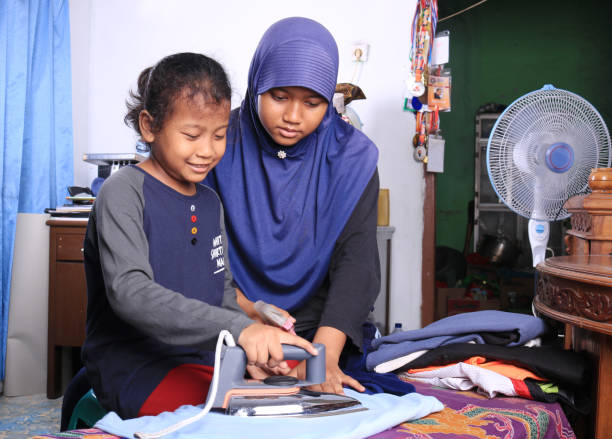
As parents, getting a child to help with chores can sometimes feel challenging, but it doesn’t have to be. Involving your children in household tasks helps keep your home tidy and teaches them valuable life skills, responsibility, and teamwork.

Imagine having to chase your children around because you want them to finish their chores. That could be very hectic and draining. So, here are 10 fun and effective ways to get your child involved with chores around the house without any stress, yelling, or chasing them around.

1. Make It a Game

Child chores

Turning chores into fun activities, like creating a chore chart with colorful stickers and rewards for completed tasks. You can also set a timer and see who can clean up the fastest, turning tidying up into a race. This helps the children work with ease and have fun doing their chores.

2. Use Positive Reinforcement

Children who are praised for completing their chores are always eager to do more. So always make it a point to celebrate their efforts. Praise your child for their hard work and let them know you appreciate their help. Offer small rewards like extra playtime or a special treat when they complete their chores.

3. Start Young

Child chores

There is a saying that goes, “The early bird catches the early worm,” and it is important to practice early involvement. This will help your children get used to the chores and get involved. Make sure you introduce chores at a young age with simple tasks like putting away toys or matching socks. Make chores a regular part of their routine so they become accustomed to helping out.

4. Make It a Family Affair

It is advisable to always work in a team as a family during house chores. This improves and adds fun to the chores for the children because teamwork always yields productivity. Set aside time for the whole family to work on chores together. It’s a great way to bond and get things done faster. Play music and dance around while cleaning to make it more enjoyable for everyone.

5. Assign Age-Appropriate Tasks

Tailor chores to the abilities of your children. Give younger children simpler tasks like dusting low surfaces or watering plants. Older kids can handle more complex chores like folding laundry, vacuuming, or helping with meal prep. This will help the children know the tasks they are all assigned and make sure they complete them without making any complaints.

6. Teach by Example

A proper way to also involve your children in chores in the house is to lead the way. Show your children how to do each chore step-by-step and explain why it’s important. Work alongside them initially to ensure they understand and feel confident doing the task on their own. If they see you working, they’ll surely want to help with whatever chores you’re involved in and extend a hand of help.

7. Create a Chore Rotation

Child chores

In my house, for instance, children take turns washing the dishes and tidying the kitchen. This makes chores amongst them easy and solves so many conflicts and misunderstandings. Just make sure you keep it interesting by rotating chores weekly so your child doesn’t get bored with the same tasks. This also helps them learn a variety of skills and understand the different responsibilities that go into maintaining a household.

8. Make It Educational

Child chores

Learning and teaching the children through chores incorporates lessons into chores, such as counting items while setting the table or learning about recycling while sorting trash. Use chore time to teach life skills like cooking, organizing, and time management. This takes the children a long way because they get used to the work and adapt to it.

9. Set Clear Expectations

Child chores

Consistency is key, clearly explain what each chore entails and how often it needs to be done. Create a visual schedule or checklist to help them keep track of their responsibilities. While at this, make sure you attach a form of punishment to it, such as completing chores before going to play, going out, or even having some siesta.

10. Encourage Independence

Child chores

Empower your child to be responsible in their chores. Allow your child to take ownership of their chores and complete them in their own way, as long as the job gets done. Give them opportunities to take on new responsibilities as they grow older and more capable.

Involving your child in household chores doesn’t have to be a struggle. By making chores fun, setting clear expectations, and using positive reinforcement, you can turn daily tasks into valuable learning experiences. Not only will your home stay tidier, but your child will also develop important skills that will serve them well into adulthood.

10 Home Based Business Ideas for Stay-at-home-Moms

In today’s digital age, the internet offers countless opportunities to make money from the comfort of your home. Being a stay-at-home mom is a rewarding full-time job in itself, but many mothers also find themselves looking for ways to earn extra income or pursue their passions while managing family responsibilities.

The good news is, there are numerous home-based business ideas that can fit into a mom’s busy schedule and provide a fulfilling avenue for creativity and entrepreneurship. Here are 10 business ideas perfect for stay-at-home moms: Whether you’re looking to supplement your income or establish a full-fledged online business, these ideas are sure going to help you create wealth if you diligently pursue them.

Virtual Assistant

Virtual assistants provide administrative support to businesses or entrepreneurs from the comfort of their own home. Tasks can include managing emails, scheduling appointments, or handling social media accounts. This role allows flexibility in terms of hours and workload, making it ideal for moms who need to juggle family commitments. Sign up on the ALX Virtual Assistant program for free here

Graphic Designing

If you have a talent for graphic design, offer your services to businesses needing logos, branding, or digital illustrations. Many entrepreneurs and small businesses are constantly in need of professional design work. With platforms like Canva you can start your graphic designing agency right from the comfort of your home for free.

Online Courses or Coaching

If you possess specialized knowledge or skills, creating and selling online courses can be a lucrative venture. Platforms like Selar provide tools to market and sell your courses to a global audience interested in learning from experts like you. Make money whilst you share your expertise by creating online courses or offering coaching sessions in areas like fitness, parenting advice, or personal development.

Affiliate Marketing

Promoting other companies’ products and earning a commission on sales generated through your referral is the essence of affiliate marketing. Building a niche audience and strategically placing affiliate links can lead to substantial passive income over time. Jumia Ghana has an affiliate program that will earn you up to 9% on commission. Find out more about the Jumia Affiliate program here.

Blogging

Establishing yourself as an authority and expert in a particular industry through blogging is another way of making money online. When you consistently create valuable content that attracts readers, you can build a loyal audience over time. Once your blog gains traction, you can monetize it through various means such as advertisements, sponsored posts, or even selling your own products. Do you have a passion for writing and sharing your expertise start your blog with WordPress today.

Freelance Writing

For moms with a way with words, freelance writing offers a flexible way to earn money from home. Content writing, blog posts, and copywriting are in high demand, and freelancers can choose projects that fit their interests and expertise. Sign up on Upwork or Fiverr , create a profile and sell your writing skills on there.

Social Media Management

With the growing importance of social media for businesses, many entrepreneurs and small businesses are seeking help managing their social media accounts. If you have a knack for creating engaging content, understanding social media algorithms, and interacting with followers, offering social media management services could be a great fit. You can help businesses grow their online presence, increase engagement, and ultimately drive sales through platforms like Facebook, Instagram, Twitter, and LinkedIn.

As a stay-at-home mom, you can manage social media tasks such as content creation, scheduling posts, responding to comments, running ad campaigns, and analyzing performance metrics—all from the comfort of your home and on a schedule that works for you. 

Content Creation

As a stay-at-home mom, if you have a passion for writing, video production, or audio editing, you can offer content creation services from home. You can work with clients to create blog posts that educate and inform, produce engaging videos for YouTube or social media platforms, record podcasts on topics of interest, or write compelling articles for websites and publications.

E-commerce – Selling goods online

From dropshipping, where you sell products without holding inventory, to traditional eCommerce selling physical goods, the online retail space offers vast opportunities. Identifying trending products or niche markets can help maximize your sales potential. Platforms like Paystack can get you started on the budget.

Subscription Based Services

Creating a subscription service can provide a steady income stream. Whether it’s offering exclusive content, software tools, or premium access to your expertise, charging a monthly fee to a dedicated group of subscribers can be highly lucrative. Platforms like Walapi can help you streamline your subscription services and help you charge your subscribers as and when they consume your sercvices.

Note that each of these business ideas can be tailored to fit around your family’s schedule and your personal interests. Whether you’re looking to earn extra income, pursue a passion, or simply stay engaged professionally while raising children, there’s a home-based business idea out there waiting for you. Embrace the flexibility and autonomy that comes with working from home, and turn your entrepreneurial dreams into a reality!

Remember, success in any business endeavor takes time, effort, and dedication. Start small, focus on what you love, and don’t be afraid to ask for support from fellow moms or mentors along the way. With determination and a bit of creativity, you can build a thriving home-based business that complements your role as a stay-at-home mom.

Balancing Love and Parenthood: How To Maintain A Healthy Relationship With Your Partner When You’re a Parent.

We all know that becoming a parent is one of life’s greatest joys, but it can also be one of its biggest challenges. especially when it comes to maintaining a healthy relationship with your partner. Between diaper changes, sleepless nights, and the endless demands of parenthood, it’s easy to let your relationship take a back seat.

But don’t worry, with a little effort and some thoughtful strategies, you can keep the spark alive and your bond strong. Here are seven (7) steps to look at to help you build and maintain a healthy relationship with your partner.

1. Prioritize Communication

Healthy Relationship Partne

Communication is one of the most important tools to help you build and maintain a healthy relationship with your partner. And to make this happen, you have to make time each day to check in with each other. Even if it’s just a few minutes, talking about your day, your feelings, and any concerns can help you stay connected. Be open and honest about your needs, and listen to your partner’s. Effective communication is key to understanding and supporting each other.

2. Schedule Date Nights

Healthy Relationship Partne

Keep the romance alive by having regular date nights, which are a great way to reconnect and have some fun together. It doesn’t have to be extravagant; a cozy dinner at home, a movie night, or a walk in the park can do wonders. Try to plan at least one date night a month, and stick to it. It’s an investment in your relationship that’s worth making.

3. Share Responsibilities

Healthy Relationship Partne

Teamwork makes the dream work. Parenting is a partnership, so make sure you’re sharing responsibilities. This includes everything from childcare to household chores. Work together to create a balanced routine that allows both of you to have some downtime. When you share the load, it reduces stress and fosters a sense of teamwork.

4. Show Appreciation

Healthy Relationship Partne

Don’t forget to show appreciation for each other. A simple thank you, a compliment, or a small act of kindness can go a long way in making your partner feel valued and loved. Celebrate the little victories and milestones together. Acknowledging each other’s efforts helps build a positive and supportive environment.

5. Keep the Intimacy Alive

Healthy Relationship Partne

Stay connected always, because physical intimacy is an important part of any relationship. Even if you’re tired, make an effort to be affectionate. Holding hands, hugging, and kissing can help maintain a close connection. When you’re ready, find time for intimacy. It might require a bit of planning, but it’s essential for keeping your relationship strong.

6. Support Each Other’s Interests

Encourage each other to pursue hobbies and interests outside of parenting. Whether it’s a solo activity or something you can enjoy together, supporting each other’s passions can enrich your relationship. Respect each other’s need for personal time and space. It’s healthy to have interests and activities that are just for you.

7. Seek Help When Needed

Don’t be afraid to ask for help If you’re feeling overwhelmed, it’s okay to ask for help. Whether it’s from family, friends, or a professional, seeking support can provide relief and perspective. Consider couples therapy if you’re facing persistent challenges. A therapist can help you navigate difficulties and strengthen your relationship.

Maintaining a healthy relationship with your partner while being a parent is a delicate balance, but it’s achievable. By prioritizing communication, making time for each other, sharing responsibilities, and showing appreciation, you can keep your bond strong and continue to grow together. Remember, a happy and healthy relationship sets a positive example for your children and creates a loving environment for your whole family. Here’s to love, teamwork, and lots of happy moments together!

10 Alternatives to Punishing Your Child

Parenting can be challenging, especially when it comes to disciplining and punishing your child. While punishment may seem like the quickest way to correct behavior, it can often lead to resentment and fear. It usually doesn’t teach the underlying lessons you want your child to learn.

Disciplining children is one of the most challenging. That’s why I want to take you through 10 alternative punishments you can give your children when they misbehave.

1. Positive Reinforcement

alternate punishing child

Rewarding good behavior can be more effective than punishing bad behavior. Praise and reward your child when they complete their chores or display good manners. This encourages them to repeat these positive actions. It also encourages them to always want to be of good behavior.

2. Family Meetings

alternate punishing child

Regular family meetings can be a great platform for discussing issues and setting expectations. Use these meetings to talk about behavior, set family rules, and allow children to express their feelings and opinions. This gives them a sense of belonging and mutual respect. It also allows you, as a parent, to know where the child is falling short of the family rules and helps you adjust.

3. Empathy and Understanding

alternate punishing child

Understanding the reasons behind your child’s behavior can help you address the root cause rather than just the symptoms. Ask questions to understand their feelings and motivations behind what they did. Validate their emotions and help them find appropriate ways to express themselves. With this, you can relate to whatever they’re feeling.

4. Teaching Emotional Regulation

alternate punishing child

Help your child understand and manage their emotions through age-appropriate techniques and activities. Teach deep breathing exercises, mindfulness, or using words to express feelings. Encourage your child to say, “I’m feeling frustrated because…” instead of acting out. Children act on very little things and sometimes want to be understood in every situation. Expressing how they feel makes them calm and explains why they acted inappropriately.

5. Setting Clear Expectations

alternate punishing child

Communicate your expectations and the reasons behind them to help your child understand what is acceptable and unacceptable. Explain why they need to clean up their room and the benefits of a tidy space, setting a clear standard for cleanliness. Show patience and kindness in your interactions, and your child is more likely to emulate those behaviors. For instance, you can say, “We need to clean up before bedtime because it helps us find things more easily in the morning,” or “We speak kindly to each other to make everyone feel respected.”

6. Logical Consequences

alternate punishing child

Logical consequences are directly related to the misbehavior and help children see the connection between their actions and the outcomes. If they draw on the walls, they help clean it up. If they break a rule about screen time, they lose some screen time the next day. If they break a toy by being careless, they don’t get a replacement immediately. They learn to take care of their belongings and become more responsible.

7. Natural Consequences

Allow your child to experience the natural consequences of their actions, provided they are safe. This helps them understand the impact of their behavior. If they refuse to wear a coat, they might feel cold. If they don’t clean up their toys, they might not be able to find their favorite ones later. If they forget their homework, they face the teacher’s response, teaching them responsibility and the importance of being prepared.

8. Calm Down Corner

alternate punishing child

Create a calming space where your child can go to relax and regain control of their emotions. Fill the corner with soft pillows, books, and calming activities like coloring or sensory toys. Encourage your child to use this space when they feel overwhelmed or start to misbehave. This makes them calm and relaxed in the way, and by the time they come out of there, they are calm.

9. Teach Empathy

alternate punishing child

Help your child understand the impact of their actions on others. Talk to your child about how their behavior affects others. Encourage them to consider others’ feelings and to practice empathy in their interactions. You can also take their favorite toys from them whenever they talk to people rudely. Or refrain from buying their favorite snack from them anytime they look down on someone.

10. Problem-Solving Together

Involve your child in finding solutions to problems. This empowers them and teaches them to take responsibility for their actions. This is a suggested question you can ask, “How do you think we can make sure your toys are picked up every night?” or “What could you do differently next time?”

Using these positive alternatives to punishment helps build a strong, respectful relationship with your child while teaching them important life skills. By focusing on understanding, communication, and collaboration, you can guide your child toward better behavior without the negative effects of punishment. Embrace these strategies to foster a nurturing and supportive environment where your child can thrive.

5 Ways to Teach Your Kids About Jobs and Good Work Ethics

Instilling a strong work ethic in your child is one of the most valuable lessons you can impart. Teaching them about jobs and the importance of good work habits prepares them for future careers and also helps them develop responsibility, discipline, and a sense of achievement.

Here are five effective ways to teach your child about jobs and good work ethics.

1. Lead by Example

kids good work ethics

Children learn a great deal by observing the adults around them. By demonstrating a strong work ethic yourself, you can set a powerful example for your child. Whether you are working from home or outside the house, show your child that you are dedicated to your job.

Discuss your workday and explain the importance of being reliable and doing your best. Illustrate the importance of balancing work and personal life. Show how you manage your responsibilities while making time for family and relaxation.

2. Introduce Age-Appropriate Chores

kids good work ethics

Assigning age-appropriate chores is an excellent way to teach children about responsibility and the concept of work. Begin with simple tasks like making the bed, setting the table, or feeding pets. Gradually introduce more complex chores as they grow older.

Implement a reward system where they earn a small allowance or privileges for completing their chores. This helps them understand the concept of earning and the value of money.

3. Encourage Volunteering

kids good work ethics

Volunteering is a fantastic way to teach children about work ethic, empathy, and the importance of giving back to the community. Look for volunteer opportunities that align with their interests, such as helping at animal shelters, community clean-ups, or assisting in events organized in society.

After volunteering, discuss their experiences and feelings about helping others. This reflection can strengthen the value of hard work and community service.

4. Educational Games and Role-Playing

kids good work ethics

Interactive and fun activities can be a great way to teach children about different jobs and work ethics. There are many educational games available that talk about different professions. These games can help children understand the variety of jobs and what they entail.

Encourage role-playing activities where your child can pretend to be a doctor, teacher, chef, or any other profession they are interested in. This can be both fun and educational.

5. Discuss Real-Life Examples

Use real-life examples and stories to illustrate the importance of a good work ethic and different types of jobs. Talk about the jobs of family members and friends, explaining what they do and why their work is important. Emphasize the effort and dedication required in their roles.

Choose books, movies, or TV shows that showcase positive work ethics and different careers. Discuss the characters’ actions and decisions, focusing on their work habits and ethics.

Conclusion

Teaching your child about jobs and good work ethics is an ongoing process that can be both rewarding and educational. By leading by example, introducing chores, encouraging volunteering, using educational games, and discussing real-life examples, you can help your child develop a strong work ethic that will benefit them throughout their lives.

These lessons will prepare them for future careers and impact a sense of responsibility and achievement that will serve them well in all aspects of life.